Where Sweden learned to fish
Dalarna is where a large share of Sweden learned to hold a rod. Not because the water is better than in Värmland or Jämtland — it isn't, particularly — but because so many families keep a summer cottage within an hour of Siljan, and a rod in the boathouse is part of the furniture there.
The lake sits in a hole punched by a meteorite. The Siljan Ring is about 377 million years old and roughly fifty kilometres across, and the impact dropped blocks of much older seabed down into the ring where erosion could not reach them. That is why there is Ordovician limestone here and granite almost everywhere else in the region. Fish are indifferent to geology. The shallow limestone shelves warm faster in early summer, which is useful when you pick a starting spot in the first week of June.
The waters
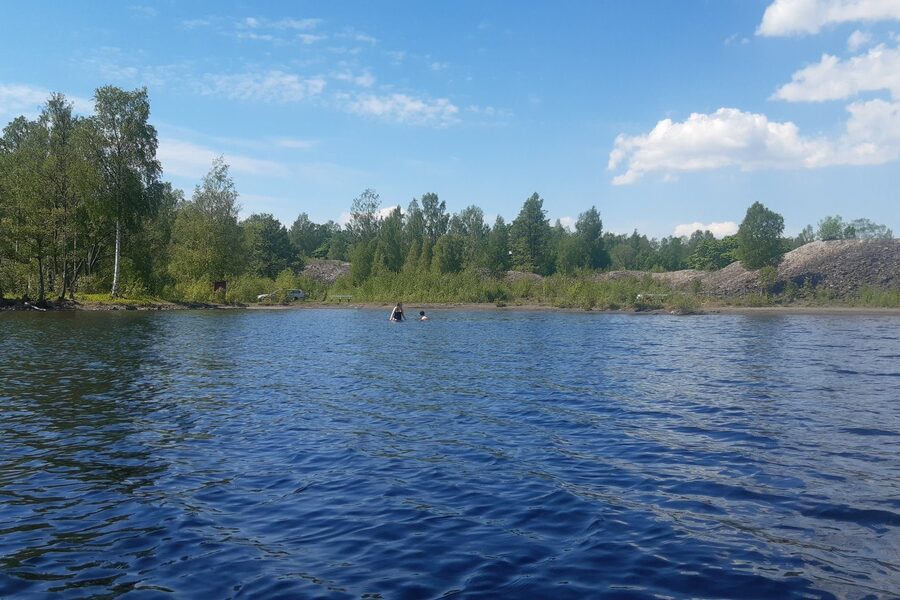
Siljan
Large, open and moody, more than 120 metres deep in the middle, with Mora at the northern end and Leksand at the southern. Wind decides your day here more than tackle does. When it blows from the north-west the middle of the lake becomes unfishable in a small boat, and the sensible move is to leave the open water alone and work the bays around Rättvik. Pike and perch are the everyday catch. Char and whitefish are in there too, deeper and much harder, and anyone who tells you they are a sure thing is selling something.
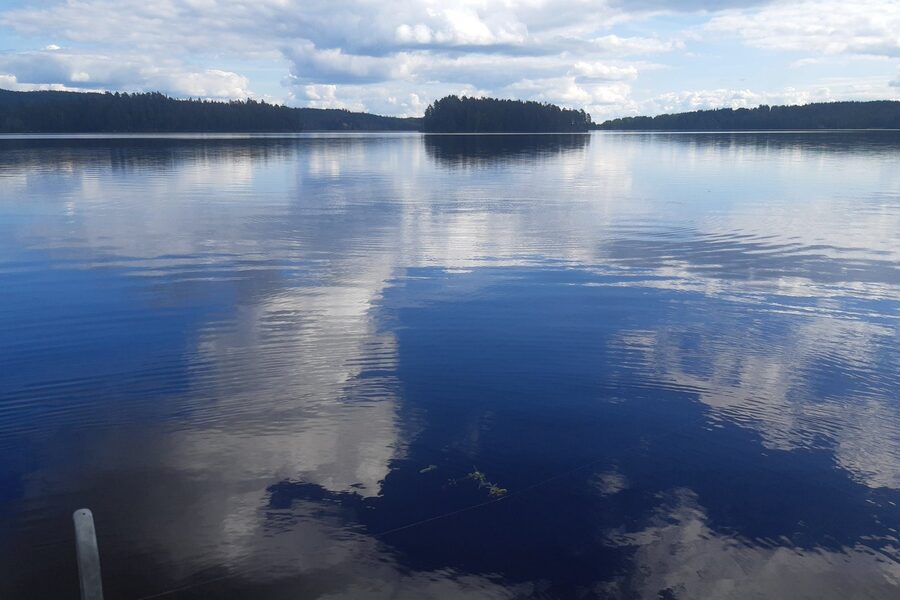
Orsasjön
Joined to Siljan at the north, smaller, colder, and the one to pick if you want quiet. This is also the water people mean when they talk about ice fishing in Dalarna — late February into March, when the ice is thick and the light comes back.
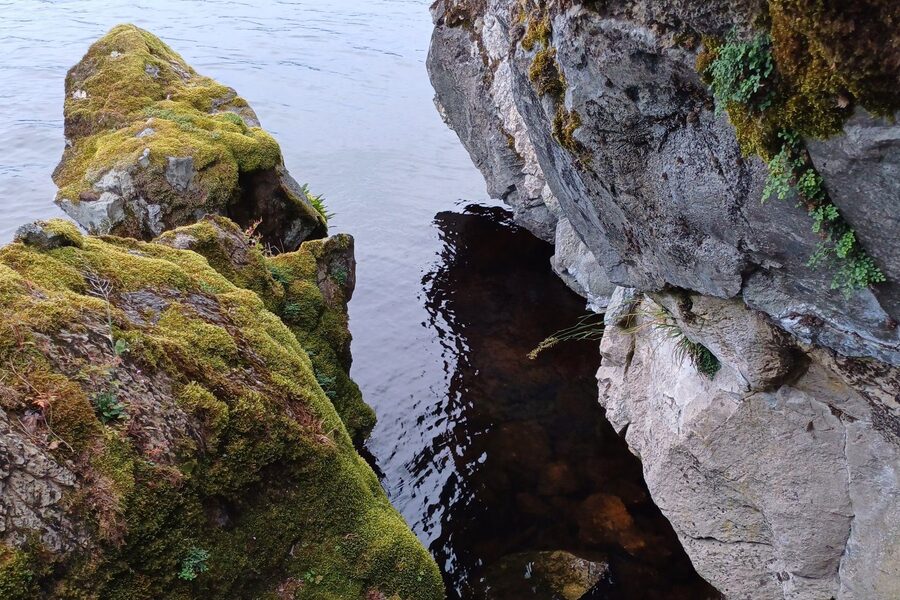
Österdalälven
The river comes down from Älvdalen and enters Siljan just east of Mora, and it is the reason grayling and trout are on the menu at all. River fishing is a different sport from the lake: you wade, you read current seams, and some days you catch nothing and drive home content anyway. Rules on the river beats are stricter than on the lake and change from stretch to stretch — check before you cast, not after.
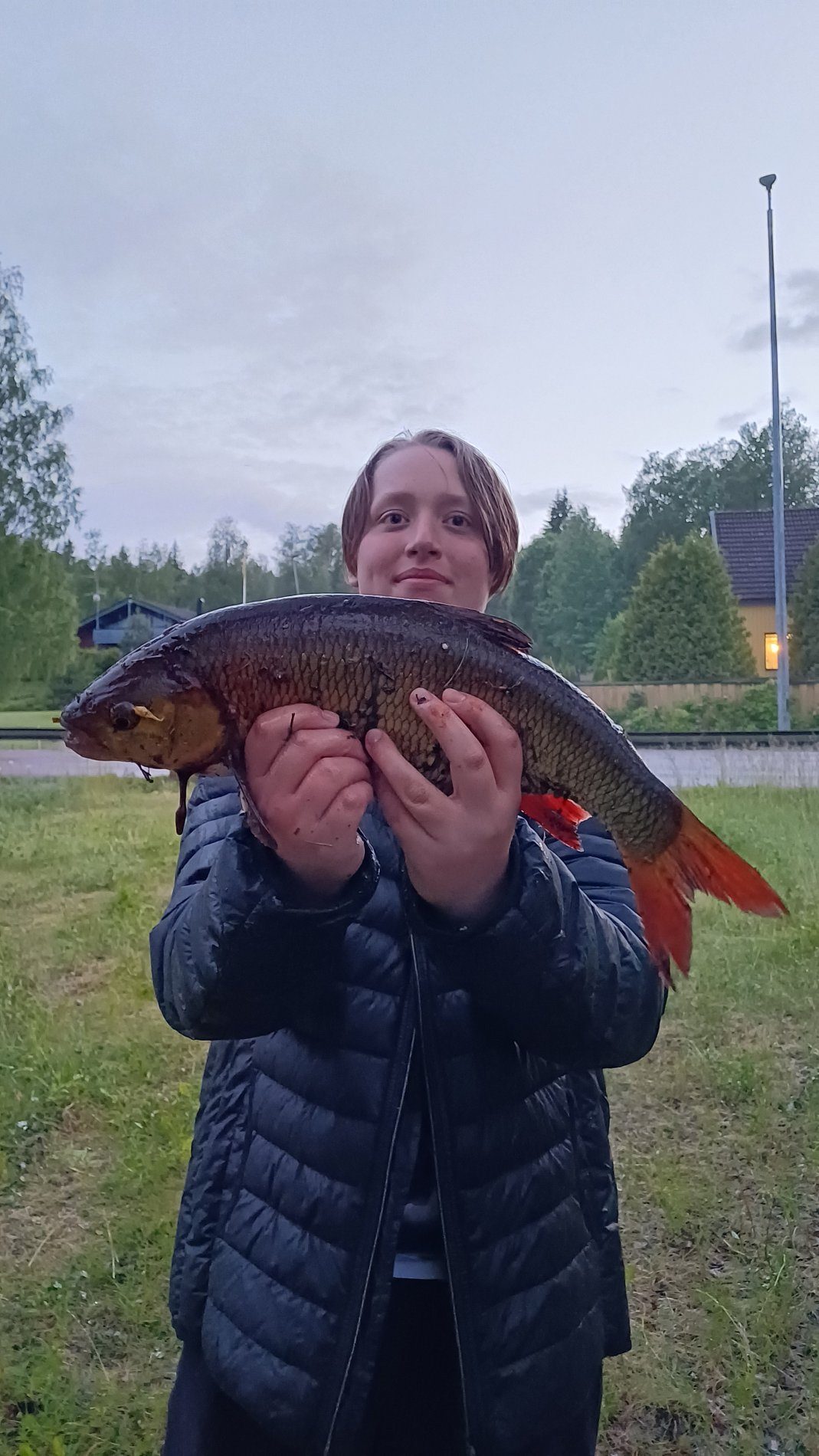
Venjan and the forest lakes
West of Mora the map turns into water and spruce. These are the waters we take families to: shallow, sheltered, full of perch that will bite for a nine-year-old on a bad day. Nobody photographs a 150-gram perch for the wall. Plenty of people remember catching one.
When to come
June through September is the straightforward answer. Early June for perch in the warming shallows, high summer for pike along the weed edges, September when the water cools and the bigger pike start feeding properly again. July is the busiest month on Siljan — Vasaloppet country fills up in summer too — so if you want the shore to yourself, come in the last week of August.
Winter holds its own here. Ice fishing on Orsasjön in March: a thermos, a drilled hole, no sound at all. Ice is never a date on the calendar, though — ask in the village before you walk out on it, every year is different.
Fiskekort and rules
You need a fishing licence — a fiskekort — for just about every water named above. Sweden's free handtackle right covers the sea and five big lakes: Vänern, Vättern, Mälaren, Hjälmaren and Storsjön in Jämtland. Siljan is not on that list, and neither is anything else in Dalarna.
Nor is it one card for the whole province. Siljan, Orsasjön and the river beats sit under different fiskevårdsområden, each with its own price, bag limit and closed season. iFiske sells most of them. For the rest you go to a local shop or a petrol station, and a few river beats also cap how many rods are on the water per day.
- which fiskevårdsområde covers the exact stretch you plan to fish — the boundaries are not obvious from a map
- whether trout and grayling are closed on that stretch, which in the Dalälven system often takes in parts of autumn and spring
- whether the card covers fishing from a boat, from shore, or both, since those are frequently priced apart
We handle all of this for guests on our tours. On your own, budget an evening for it. The information exists, it is scattered.
Getting there
Mora is about 330 kilometres from Stockholm and roughly four hours by car, longer if you hit the Friday exodus north. Trains run to Mora and Leksand, but a car is the difference between fishing one lake and fishing five. From our base in Filipstad the drive is around three hours across the forest roads through Malung, which is why Dalarna shows up on our itineraries as a two- or three-day extension.
For a record pike, stay in Värmland. Come to Dalarna for the weeks when fishing shares the day with everything else.
Add Dalarna to your trip
Two or three days on Siljan and the Österdalälven, licences and boat sorted before you arrive